Strait of Hormuz: why 34 km of sea move diesel prices in Brazil
For more than eight months, Iran has controlled who passes through the mouth of the Persian Gulf. History explains why this strip of water has so much power over the rest of the world.
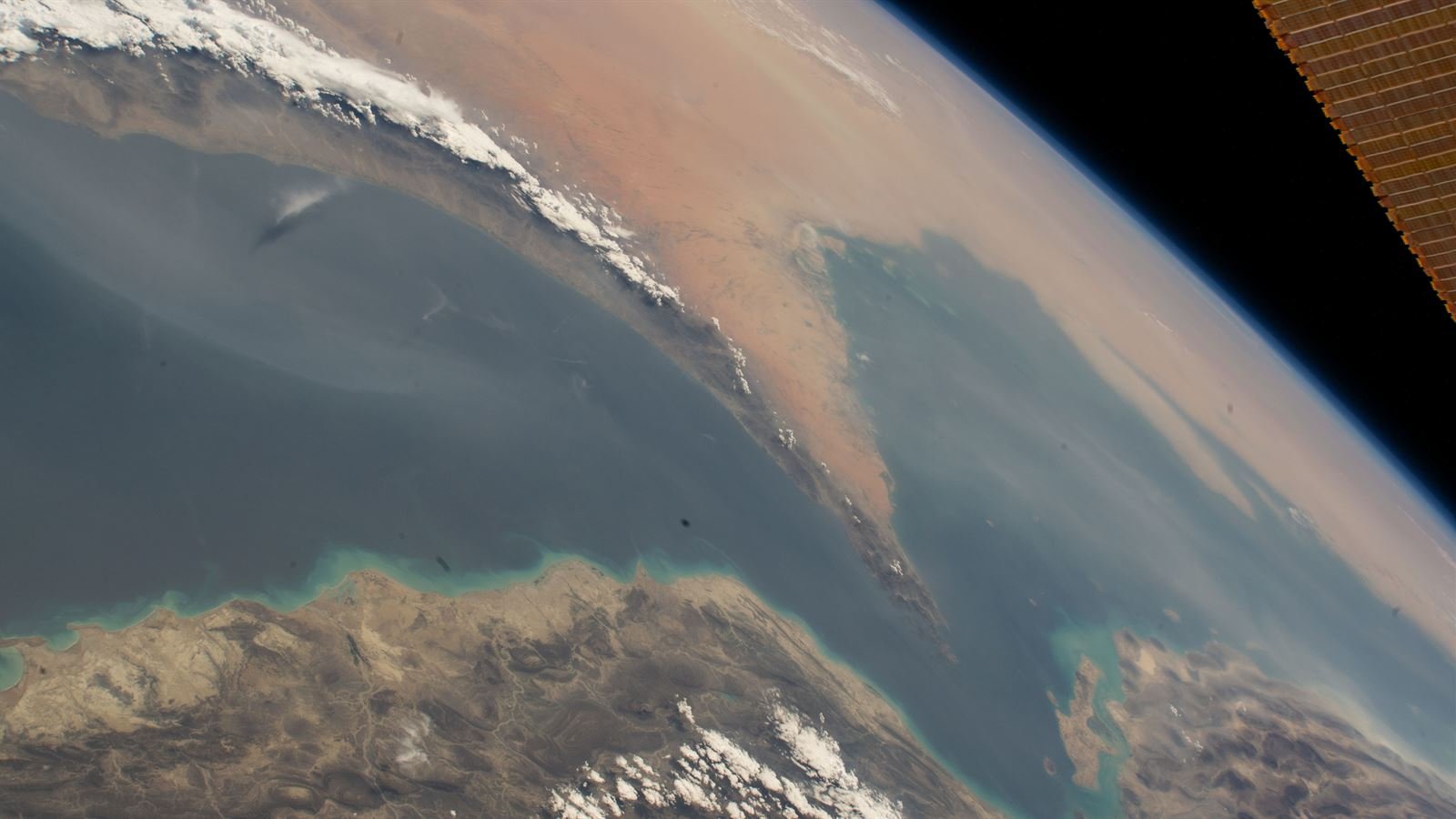

On November 8, 2026, only three commercial ships crossed the Strait of Hormuz, according to the IMF's PortWatch monitor. Before the war, the average was about 85 a day.
This strip of sea between Iran and Oman is 34 kilometers wide at its narrowest point. Even so, when it jams, fuel prices rise on the other side of the planet.
A narrow door to a closed sea
The Persian Gulf is almost a lake. Saudi Arabia, Iraq, Kuwait, Qatar, Bahrain, the United Arab Emirates and Iran itself all have coastlines on it, and the only link to the ocean is Hormuz.
That is why almost all the oil and gas these countries sell by ship has to pass through it. Before the war, that meant about 20 million barrels of oil a day, close to 20% of world consumption. About a fifth of the world's traded liquefied natural gas also went through Hormuz, almost all of it from Qatar.
The shipping lanes are even narrower than the strait. There are two lanes of about 3 kilometers, one inbound and one outbound, running close to islands controlled by Iran.
Why Iran can close the passage
Iran does not need a large navy to disrupt traffic. Naval mines, fast boats, drones and missiles fired from the coast, just a few kilometers from the ships, are enough.
A large tanker costs hundreds of millions of dollars and carries cargo of similar value. The mere threat of an attack is enough for insurers to raise premiums or refuse to cover the voyage. Many companies simply stop sending ships.
There are bypasses, but they are small. Saudi Arabia has a pipeline that carries oil to the Red Sea, and the Emirates have another that reaches Fujairah, outside the strait. Together, they cannot replace everything that went through Hormuz.
The first time: the Tanker War
Using the strait as a weapon is not a new idea. During the war between Iran and Iraq, from 1980 to 1988, both countries began attacking the ships that carried the enemy's oil. That chapter, which began in 1984, became known as the Tanker War.
Hundreds of vessels were hit. In 1987, the United States began escorting Kuwaiti tankers, which were reflagged to sail under American protection.
In April 1988, the US frigate Samuel B. Roberts struck an Iranian mine. Days later, the US Navy attacked Iranian platforms and ships in Operation Praying Mantis. In July, the cruiser Vincennes mistakenly shot down an Iran Air passenger plane, killing all 290 people on board.
After that, Iran threatened to close the strait several times, as in 2011 and in 2019, when it seized foreign tankers. But it had never carried out the threat for this long.
What changed in 2026
On February 28, 2026, the United States and Israel began an air war against Iran. The same day, Iran's Revolutionary Guard banned passage through the strait. In the following weeks, it attacked ships and laid mines.
Tanker traffic fell close to zero. Brent crude passed 100 dollars a barrel on March 8, for the first time in four years, and reached 126 dollars at its peak.
Since then, there have been ceasefires and a memorandum to end the war, signed in June, but none held. In May, Iran created its own authority to approve passage and charge tolls. In July, the truce collapsed after new attacks on ships.
In October, there were more than 30 attacks in the region, the most in a single month since the war began. In November, Iran said it was willing to reopen the strait if the United States accepted its conditions, including an end to sanctions. As of November 12, there was no deal, and Iran again reported tankers on fire in the passage.
Why does this matter for Brazil?
Brazil produces more oil than it consumes and buys almost no oil from the Gulf. Even so, it feels the crisis in three ways.
International prices. Oil is priced on a world market. When the barrel rises abroad, the pressure reaches Brazilian prices, even if Petrobras is slow to pass it on.
Diesel. The country does not refine all the diesel it uses and imports part of it. To hold down pump prices, the government cut federal taxes and created a subsidy. In November, importers and analysts said Petrobras diesel remained well below the international price.
Fertilizers. This is the least visible effect and perhaps the most important. The Gulf accounts for about a third of world urea exports, and up to 30% of the world's traded fertilizers used to pass through Hormuz. Brazilian agribusiness imports most of the fertilizer it uses, and more expensive fertilizer weighs on food costs.
What to watch in the coming weeks
The key point is the negotiation between Iran and the United States, mediated by Qatar. If there is a deal, the strait could reopen within days, as Iran itself has suggested. Even then, clearing mines and bringing insurers back usually takes longer than the political announcement.
If there is no deal, attacks are likely to continue and prices will keep swinging with every piece of news from the Gulf.
Quick questions
Where is the Strait of Hormuz?
Between Iran to the north and Oman to the south. It connects the Persian Gulf to the Gulf of Oman and the Indian Ocean.
How much oil passes through Hormuz?
Before the 2026 war, about 20 million barrels a day, close to 20% of world oil consumption.
Is the Strait of Hormuz closed?
In practice, yes, for most commercial ships. On November 12, 2026, traffic remained far below normal, with Iranian restrictions and attacks.
Why does the crisis affect Brazil?
Through international oil prices, the diesel the country imports and fertilizers, many of which come from the Gulf.
Sources
- Wikipedia: 2026 Strait of Hormuz crisis
- EIA (US government): world oil transit chokepoints
- IMF PortWatch: traffic through straits
- Wikipedia: Tanker War
- Wikipedia: Iran Air Flight 655
- Al Jazeera: how a 95 percent drop in Hormuz traffic changed global shipping
- O Cafezinho, with Abicom data: Petrobras diesel versus the international price (in Portuguese)
Found an error? See how we fact-check and correct.