Abu Dhabi talks end with a prisoner swap but no deal on territory
Russia and Ukraine once again agreed on the easiest point and stalled on the hardest. Almost every round of talks since 2014 has followed the same script.

What was decided
The US-mediated round lasted two days. At the end, Russia's lead negotiator, Vladimir Medinsky, said both sides had agreed in principle to a new large-scale prisoner exchange, with details to be announced later. He said there was "mutual understanding in some areas, but not in others."
The exact number of prisoners has not been released. US envoy Jared Kushner said it would be the largest exchange of the war. Zelensky spoke of "1,000 for 1,000, maybe even 1,200", but neither government has confirmed the terms.
Where the talks stall
Territory. According to US officials, it remains the hardest issue. Russia demands the whole Donbas region, including areas it does not occupy. Ukraine says it will not hand over land in exchange for peace.
Zelensky welcomed the prisoner exchange as a positive step but repeated that position. There was also no agreement on a ceasefire or on security guarantees, meaning who would protect Ukraine if Russia attacked again after a deal.
The story behind it: prisoner swaps are what works
The Abu Dhabi outcome follows an old pattern. In September 2014 and February 2015, the Minsk agreements tried to freeze the war in the Donbas with a ceasefire and political rules for the region. Both provided for prisoner exchanges, one of the few parts that was carried out. The truces were broken again and again, and the political part never got off the ground.
After the 2022 invasion, the pattern repeated itself. The Istanbul talks of May 2025 brought no ceasefire but produced an exchange of 1,000 prisoners from each side, the largest of the war at the time. In February 2026, an earlier round in Abu Dhabi also ended with a swap, of 314 prisoners.
There is a reason for this. A prisoner exchange costs both governments little and gives them a concrete result to show at home. Territory is the opposite: any concession is seen as a defeat, so both sides would rather wait for the battlefield to shift in their favor.
To understand why the Donbas matters so much, read why Russia went to war with Ukraine.
What happens now
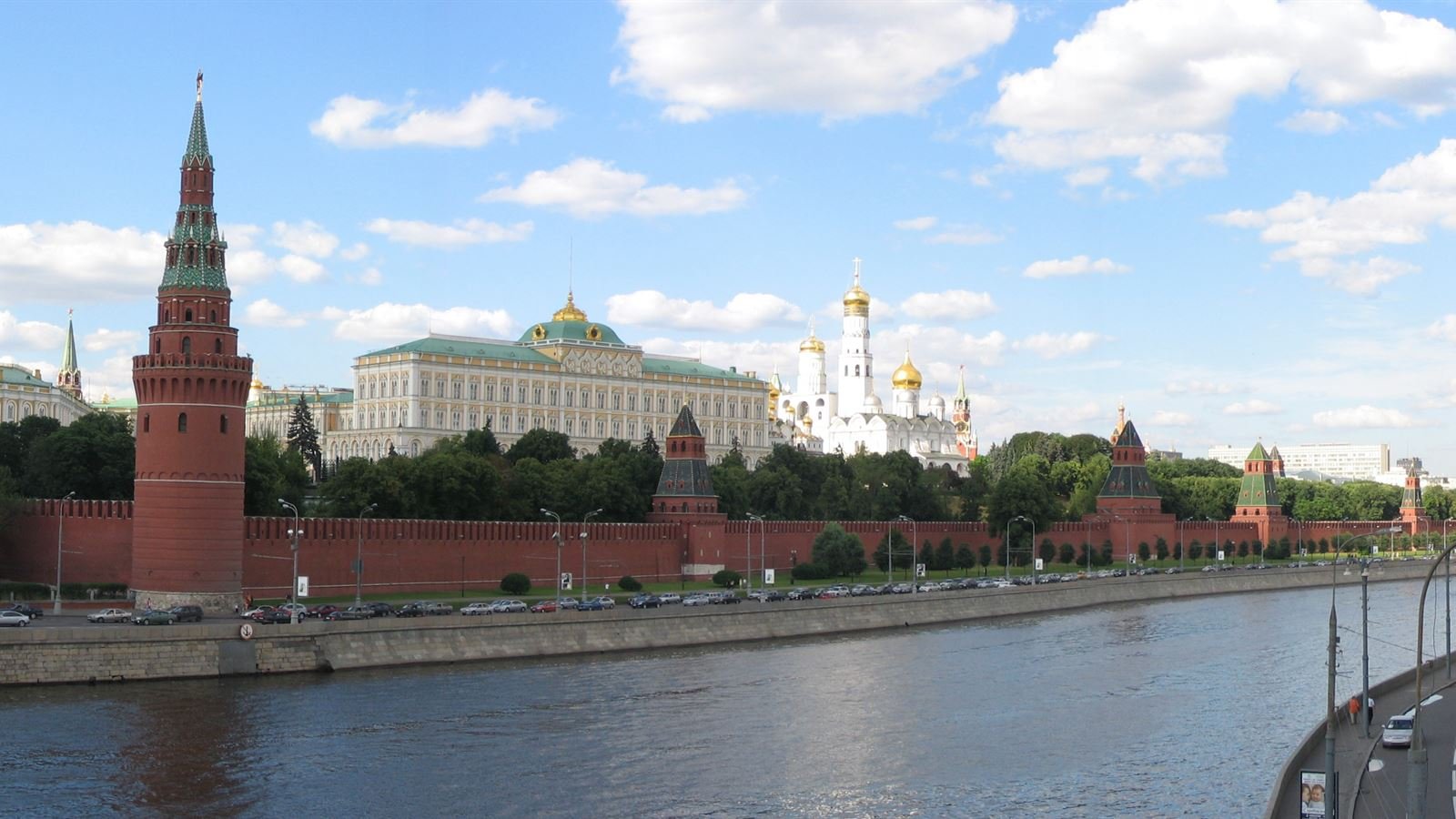
US envoys Steve Witkoff and Jared Kushner flew from Abu Dhabi to Moscow and met Putin at the Kremlin on Thursday, November 12. The prisoner exchange came up, but no details had been released at the time of publication. Their next planned stop is Dublin, Ireland, for talks with Zelensky.
Meanwhile, the fighting goes on. The only ceasefire in force is a local one in Oleshky, in the Kherson region, agreed by both sides in October.
Why it matters for Brazil
The most direct effect runs through agriculture. Russia is one of Brazil's largest fertilizer suppliers, and the war sent fertilizer prices soaring in 2022. A peace deal would tend to reduce the risk to that trade. A prisoner exchange on its own changes nothing there.
Diplomatically, Brazil favors a negotiated solution and, in 2024, put forward a set of peace principles together with China. It plays no part in the current mediation, which is led by the United States.
What to watch
- The size of the swap: above 1,000 per side, it would be the largest of the war.
- The outcome of the Putin meeting: any shift in Russia's demand for the Donbas.
- The Dublin meeting: how Zelensky responds to whatever comes back from Moscow.
- A broader ceasefire: whether Oleshky becomes a model for other areas.
Sources
- The Moscow Times: Abu Dhabi talks end (Nov 11, 2026)
- Meduza: prisoner exchange, no breakthrough on territory (Nov 11, 2026)
- AP, via ClickOrlando: second day of talks (Nov 11, 2026)
- Euronews: US envoys head to Putin (Nov 11, 2026)
- CBC: Kushner and Witkoff at the Kremlin (Nov 12, 2026)
- Atlantic Council: where the talks stand after Abu Dhabi
- All India Radio: February 2026 round and 314-prisoner swap
- Wikipedia: Minsk agreements
- Wikipedia: peace negotiations since 2022, including Istanbul in 2025
Spotted an error? See how we fact-check and correct.