Democrats take the US Congress: what changes for the wars in Iran and Ukraine
The win gives the party more power to pressure Donald Trump, but he remains commander in chief. The real test will be control of the money.
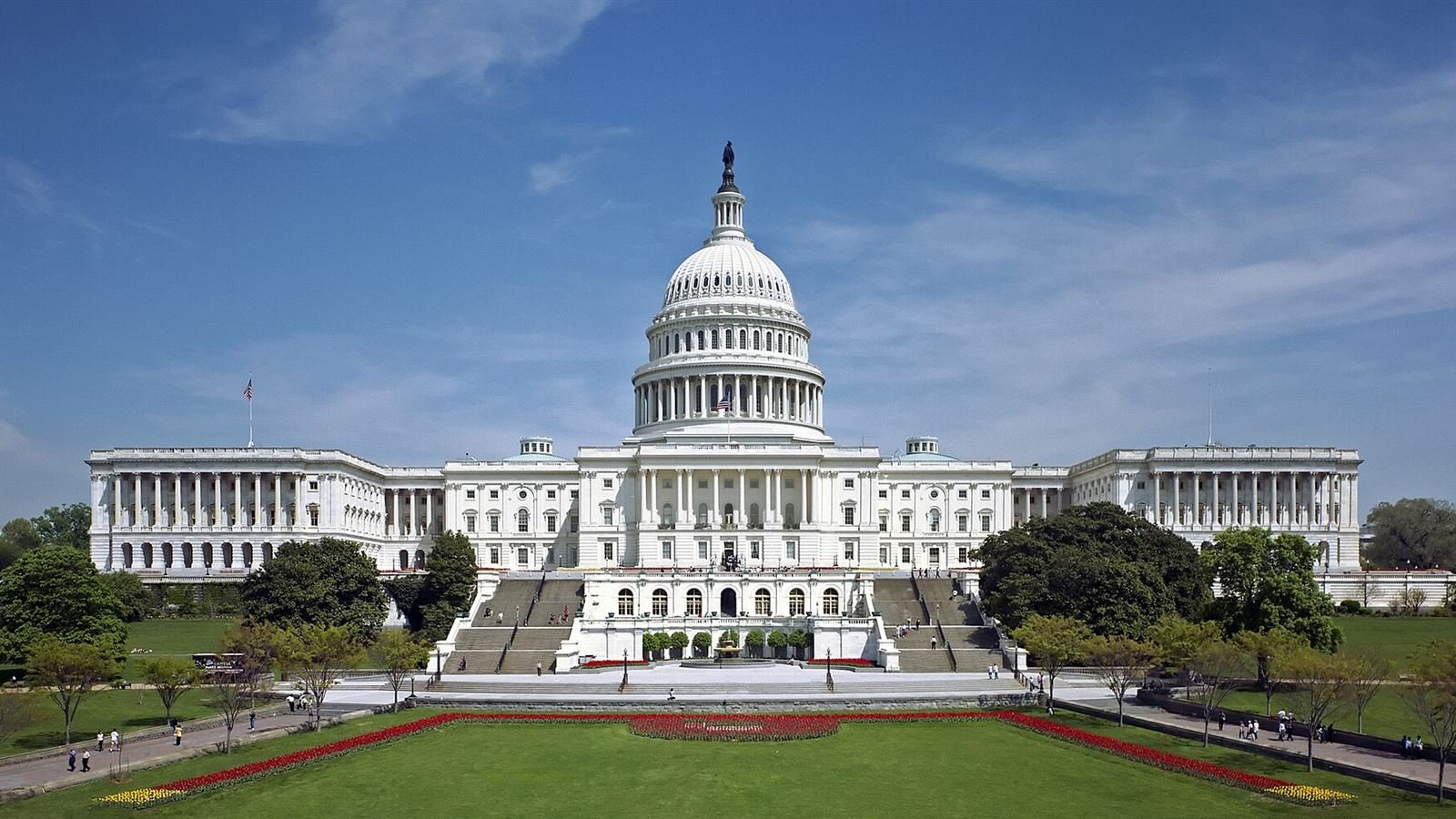

Election results are still projections and will be updated here.
What happened
Democrats are projected to win majorities in both the House and the Senate. In the House, the margin could be the largest for either party since at least the mid-1990s.
Foreign policy played into this through a very concrete channel: the price of fuel. The war against Iran that began on February 28 disrupted the flow of oil through the Strait of Hormuz, and the cost of living became a central issue in the election.
Vice President JD Vance himself blamed the war for the defeat. Trump agreed that fuel prices played a part, but said he would go back to war if necessary.
Why Congress can't simply end a war
The answer starts in 1973. As the Vietnam War wound down, Congress passed the War Powers Resolution, which limits sending troops without lawmakers' authorization. President Richard Nixon vetoed it, and Congress overrode the veto with two-thirds of each chamber.
That is still the obstacle today. In September, the House voted for the third time to end the war in Iran, 220 to 204. None of those resolutions reached Trump's desk, and he would almost certainly veto them.
With majorities in both chambers, Democrats can get a resolution to the president. To override a veto, however, they would still need two-thirds, which would require Republican votes.
The shortest path is money. Congress controls the budget, and the Congressional Budget Office estimated that the war had already cost more than US$38 billion by August 1, at a rate of US$2 billion to US$3 billion a month.
What changes for Ukraine
The two sides read the result in opposite ways. The Kyiv Independent saw a possible boost for Ukraine. The Russian state newspaper Rossiyskaya Gazeta, by contrast, said the result would be a blow to Kyiv, with Trump turning his frustration on Europe.
The Kremlin is trying to keep its channel to the White House open. Spokesman Dmitry Peskov said he hoped Trump would keep negotiating, and a new round is scheduled for November 10 and 11 in Abu Dhabi. Deputy Foreign Minister Sergei Ryabkov said Russia's line on Ukraine does not depend on the political climate in other countries.
Meanwhile, the war goes on. On Tuesday, November 3, Russian strikes left large parts of Ukraine without power. Zelensky said attacks on a school in Komyshuvakha killed at least 33 people, while Moscow said it had hit military positions in the area.
In Germany, readings also differ. Chancellor Friedrich Merz thinks little will change, because Trump has largely governed without involving Congress. Foreign Minister Johann Wadephul sees room for more debate about support for Ukraine.
To understand why this war began, read the story that starts centuries ago.
How Iran, Israel and Asia reacted
- Iran: parliament speaker Mohammad Baqer Ghalibaf said Americans had rejected the war and issued a new threat should the administration ignore that message.
- Israel: the press highlighted Abdul El-Sayed's Senate win in Michigan; he is a critic of arms sales to Israel. The country is also in a stalemate after its own elections.
- China: Beijing called the vote an internal US matter and said it wants a stable relationship.
- Taiwan and Japan: both governments stressed that their relationship with the United States remains central.
Why it matters for Brazil
For now, the effect is mostly indirect. The first channel is oil: if domestic pressure helps end the war in Iran, international prices could fall. That is a possibility, not a guaranteed forecast.
The second is trade. The United States imposed a new 25% tariff on Brazilian goods in July. The new majority may demand explanations, but there is no concrete sign yet of a change in that policy.
Brazil also made its way into the international conversation. Spanish Prime Minister Pedro Sánchez cited the defeat of a Trump ally in Brazil's election as he celebrated the result: "It happened in Brazil. It just happened in the US."
What to watch now
- Final results: the exact size of the majority determines how strong the Democrats will be.
- Abu Dhabi, November 10 and 11: the first measure of how Moscow reacts to the new landscape.
- January 2027: the new Congress is sworn in and holds its first votes on the wars.
- Fuel: prices remain the most direct link between these wars and voters.
Sources
- NPR: reactions to the result
- Reuters, via U.S. News: international reactions
- AP, via ABC7: House vote on Iran
- Outlook India: strikes ahead of Abu Dhabi
- Wikipedia: 2026 United States elections
- Wikipedia: War Powers Resolution
Spotted an error? See how we fact-check and correct.