COP31 in Antalya: what is at stake a year after Belém
The climate conference opened in Turkey with wars and expensive oil dominating the agenda. Lula was one of the few major leaders to speak. Here is how the COPs got here.

On Wednesday, November 11, Lula opened the COP31 leaders' summit with a complaint. He said climate change had disappeared from G7 and G20 speeches, and that the world had started talking more about weapons and tariffs than about the survival of future generations.
The line sums up the mood of this year's conference. It is taking place amid the war in Iran, oil above 90 dollars and the absence of leaders from the world's largest economies.
What a COP is
COP stands for Conference of the Parties. The parties are the nearly 200 countries that signed the United Nations Framework Convention on Climate Change.
That convention was born in Brazil, at Rio 92, the UN conference held in Rio de Janeiro in June 1992. The first COP took place in Berlin in 1995, and countries have met every year since.
Each COP works by consensus. That gives large and small countries an equal voice, but it also lets any of them block a decision. That is why final texts tend to be weaker than the speeches.
Thirty years of promises
Some COPs made history. In 1997, the Kyoto Protocol set binding emission cuts, but only for rich countries, and the United States never ratified it.
In 2009, the Copenhagen COP ended without the expected agreement. The turning point came in 2015 with the Paris Agreement: every country began submitting its own targets, with the goal of limiting warming to well below 2 °C, preferably 1.5 °C.
In 2023, in Dubai, a COP text mentioned a transition away from fossil fuels for the first time. In 2024, in Baku, rich countries pledged to mobilize 300 billion dollars a year by 2035 for developing countries, and all parties committed to aim for 1.3 trillion a year.
What was left unfinished in Belém
COP30 was held in Belém, in the Brazilian state of Pará, in November 2025. It was the first in the Amazon, and Brazil wanted to leave with a roadmap for abandoning oil, coal and gas.
Oil-producing countries blocked that language in the official text. The conference president, diplomat André Corrêa do Lago, then announced two voluntary roadmaps outside the formal UN process.
The final deal called for tripling adaptation finance by 2035, without saying who pays, and created a just transition mechanism. Many analysts considered the outcome weak.
Why COP31 is in Turkey
Australia and Turkey competed for years to host COP31, and neither would back down. Under UN rules, without consensus the conference would have gone automatically to Bonn, Germany, where the climate secretariat is based.
The deal came during COP30: Turkey hosts the event, with minister Murat Kurum as president, and Australian minister Chris Bowen leads the negotiations. Before that, there was a pre-COP in Fiji in October, with a leaders' meeting in Tuvalu, one of the countries most threatened by rising seas.
What Lula argued
Lula asked for the three Belém roadmaps to be included in the next global stocktake of the Paris Agreement: 1.3 trillion dollars a year in finance, a transition away from fossil fuels and an end to deforestation.
He also said the Tropical Forest Forever Facility, a Brazilian proposal that pays countries to keep forests standing, is close to the minimum capital it needs to start operating. And he cited his government's own figures: a 71% drop in Amazon deforestation between 2022 and 2026, and a 42% cut in Brazil's emissions since 2005.
According to Lula, countries' current targets put the planet on track for 2.8 °C of warming. He defended the science of the IPCC, the UN's panel of scientists, and called on rich countries to deliver on their finance pledges.
What to expect until the 20th
The technical negotiations run until November 20. The biggest question is whether the Belém roadmaps will get deadlines and numbers or remain as intentions.
The Iran war cuts both ways. Expensive oil makes renewable energy more attractive, but it also pushes governments to prioritize energy security and fuel prices in the short term.
The next conference, COP32, is planned for 2027 in Ethiopia, and African countries are already pressing for it to be the finance COP.
Quick questions
Where and when is COP31 being held?
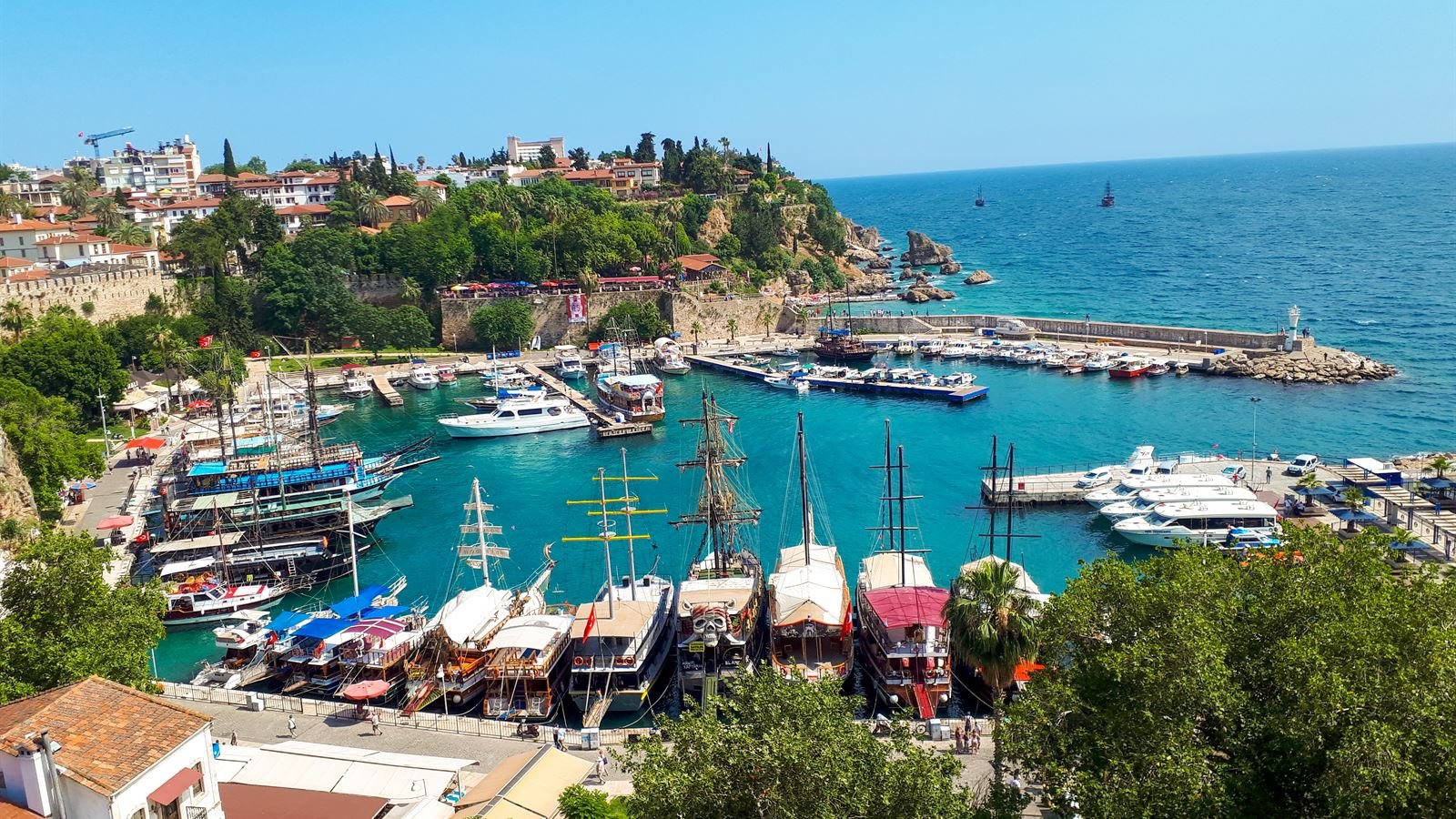
At the Antalya Expo Center in Antalya, Turkey, from November 9 to 20, 2026.
What does COP mean?
Conference of the Parties, the annual meeting of the countries that signed the UN climate convention, created at Rio 92.
What did COP30 in Belém decide?
To triple adaptation finance by 2035 and create a just transition mechanism. The roadmap for abandoning fossil fuels was left out of the official text.
Where will COP32 be held?
It is planned for 2027 in Ethiopia, in Africa.
Sources
- Wikipedia: COP31
- Wikipedia: COP30 in Belém
- Anadolu Agency: Lula's speech at COP31
- Revista Fórum: full text of Lula's speech (in Portuguese)
- UN Climate Change: the Paris Agreement
- Wikipedia: Earth Summit (Rio 92)
Found an error? See how we fact-check and correct.