Pedro II: the emperor who lost his throne without a fight
On November 15, the proclamation of Brazil's Republic turns 137. The man it overthrew ruled Brazil for almost half a century, was respected abroad and chose not to fight to stay in power.
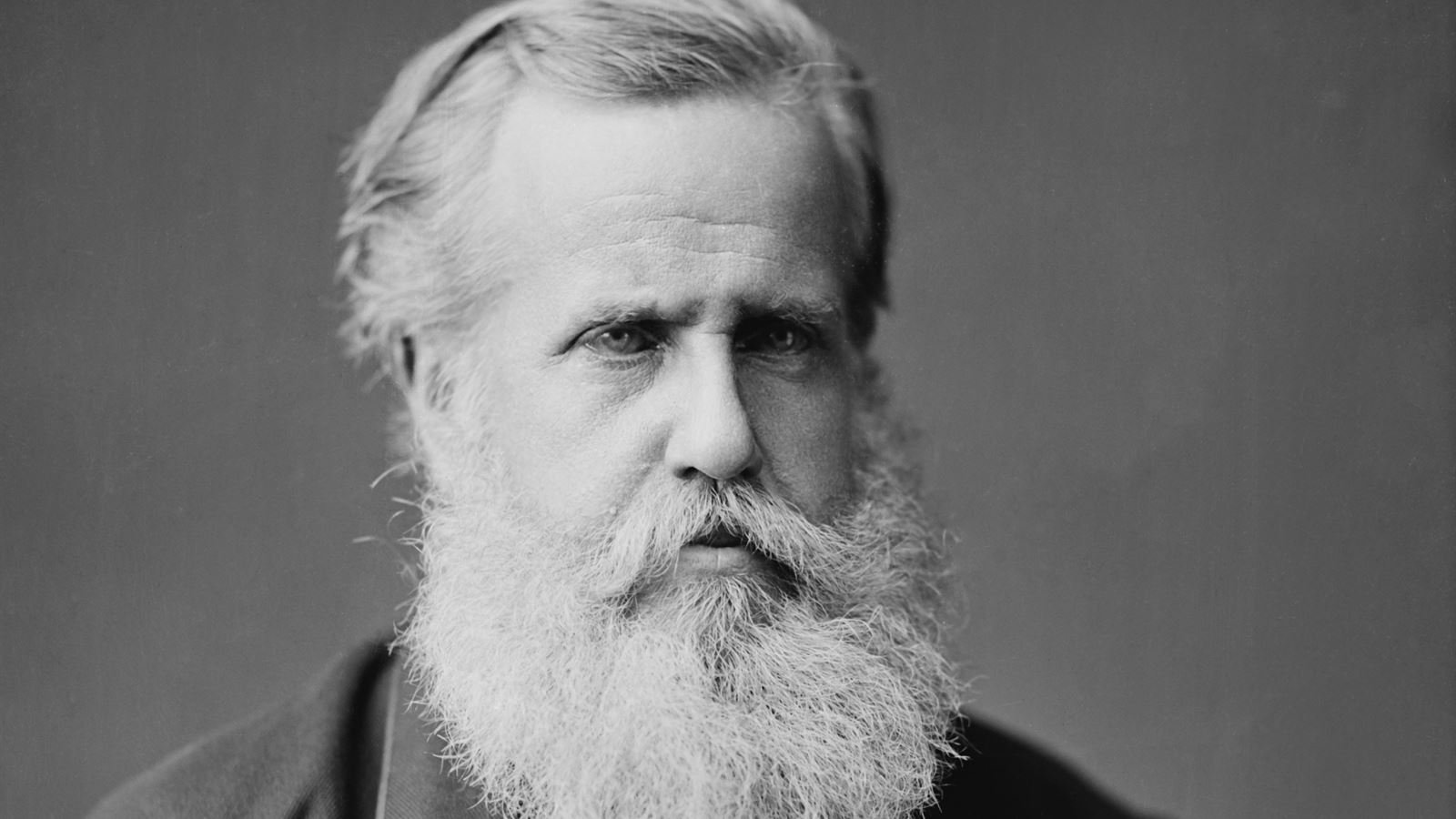

In the early hours of November 17, 1889, a ship left Rio de Janeiro carrying Brazil's imperial family into exile. Two days earlier, soldiers led by Marshal Deodoro da Fonseca had overthrown the monarchy. The emperor, Pedro II, turned down proposals to resist and agreed to leave.
Next week, on November 15, Brazil marks 137 years since the proclamation of the Republic. To understand what fell that day, you need to know the man who ruled the country for almost 50 years.
Emperor at age 5
Pedro de Alcântara was born in Rio de Janeiro on December 2, 1825, the son of Pedro I, who had declared Brazil's independence three years earlier, and Empress Leopoldina, who died when he was 1.
On April 7, 1831, under pressure from political crises, Pedro I abdicated and went back to Portugal. His five-year-old son stayed in Brazil as emperor. The country was run by regencies, in a period marked by revolts in several provinces, such as the Ragamuffin War in the south and the Cabanagem in Pará.
To calm the country, liberal politicians pushed to bring his coming of age forward. On July 23, 1840, Parliament declared Pedro of age at 14. It became known as the Majority Coup.
A different kind of monarch
Pedro II grew up surrounded by tutors and became a compulsive reader. He studied languages all his life, including Hebrew, Arabic, Sanskrit and Tupi. In 1840, he bought a daguerreotype camera and became Brazil's first photographer.
He corresponded with scientists and writers such as Charles Darwin, Louis Pasteur and Victor Hugo. In 1876, he traveled to the United States for the Centennial Exposition in Philadelphia, where he met Alexander Graham Bell and the telephone.
In government, he used the Moderating Power provided for in the 1824 Constitution to rotate liberals and conservatives at the head of the cabinet. The system gave Brazil a stability rare in 19th-century Latin America, but it was far from democratic: only a small share of the population voted, and elections were often rigged.
The Paraguayan War
The biggest conflict of his reign was the Paraguayan War, from 1864 to 1870, in which Brazil, Argentina and Uruguay fought Francisco Solano López's Paraguay. The emperor insisted on fighting until López was completely defeated.
Victory came at a high price. Tens of thousands of Brazilians died, and Paraguay's population was devastated. The army came out of the war stronger and with a sense of being undervalued by civilian politicians, which would matter in 1889.
Slavery: too slow
Pedro II said he opposed slavery, but its end came slowly. In 1850, the Eusébio de Queirós Law banned the African slave trade. In 1871, under the Viscount of Rio Branco's cabinet, the Law of Free Birth declared free all children born to enslaved women from then on. In 1885, the Sexagenarian Law freed enslaved people over 60.
Full abolition came with the Golden Law, signed on May 13, 1888, by Princess Isabel, who was ruling as regent while her father was receiving medical treatment in Europe. Brazil was the last country in the Americas to abolish slavery. Many planters, who received no compensation, turned to the Republic.
The November 15 coup
By the late 1880s, the monarchy had lost support among the military, planters and part of the Church. The emperor was ill and aging, and many feared the reign of his heir, Isabel, who was married to a French nobleman.
On November 15, 1889, troops led by Deodoro surrounded the War Ministry in Rio. Most of the population did not immediately realize that the regime was changing. Pedro II, in Petrópolis, returned to the capital but refused proposals to fight back.
He died of pneumonia in a Paris hotel on December 5, 1891, aged 66. France gave him a funeral with head-of-state honors. His remains and those of Empress Teresa Cristina returned to Brazil in 1921, after the banishment of the imperial family was lifted, and now lie in Petrópolis Cathedral.
Quick questions
How long did Pedro II reign?
He was emperor from 1831 to 1889, but actually ruled from 1840, when he was declared of age. That is 49 years of personal rule.
Why was Pedro II overthrown?
By a military coup on November 15, 1889, backed by republicans, discontented army officers and planters who had lost enslaved workers with abolition.
Who signed Brazil's Golden Law?
Princess Isabel, Pedro II's daughter, on May 13, 1888, while she was ruling as regent.
Where is Pedro II buried?
In Petrópolis Cathedral, in Rio de Janeiro state, alongside Empress Teresa Cristina.
Sources
- Wikipedia: Pedro II of Brazil
- Wikipedia: Proclamation of the Republic (Brazil)
- Wikipedia: Lei Áurea
- Wikipedia in Portuguese: Pedro II do Brasil
Found an error? See how we fact-check and correct.